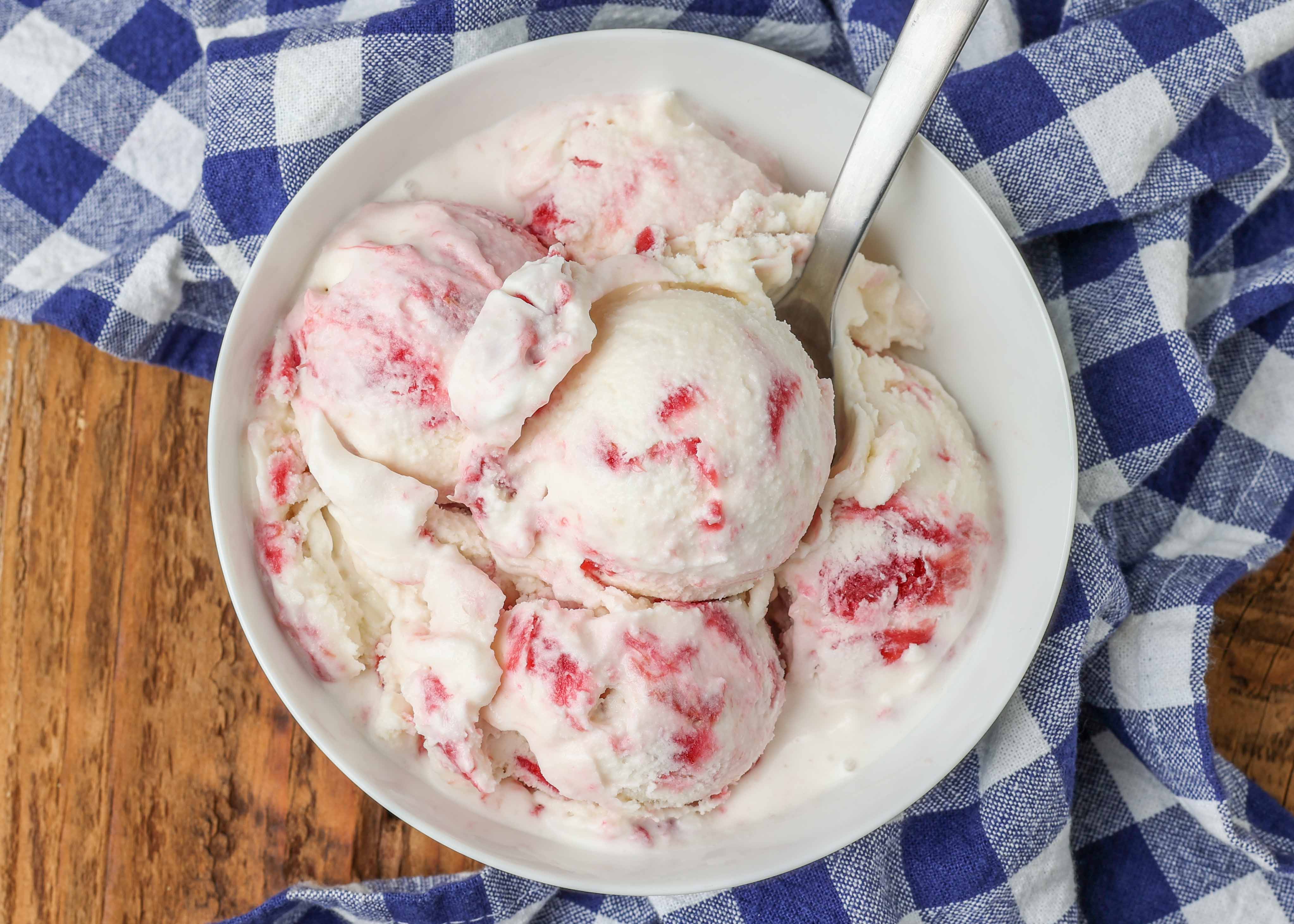
Creamy Rhubarb Ice Cream: The Puree Secret to Avoid Icy Swirls
There's nothing quite like the refreshing tang of rhubarb perfectly balanced with sweet cream, especially when it comes in the form of homemade ice cream. Yet, for many home cooks, the dream of a luscious, creamy treat often turns into an icy, disappointing reality. The culprit? Excess water. If you've ever found your homemade
rhubarb swirl ice cream less than perfectly smooth, with unwelcome ice crystals detracting from the experience, you're not alone. The secret to transforming this seasonal delight into an exceptionally creamy, professional-quality frozen dessert lies in one crucial, often overlooked step: mastering the rhubarb puree.
Having spent years perfecting frozen desserts, I can confidently say that understanding how to properly prepare rhubarb for ice cream is an absolute game-changer. It elevates a simple vanilla base into something truly extraordinary, ensuring every spoonful is a delight, not a crunch. This comprehensive guide will walk you through the essential techniques, from crafting the perfect concentrated puree to incorporating it flawlessly, guaranteeing you achieve dreamy, soft
rhubarb swirl ice cream every single time.
The Core Secret: Transforming Rhubarb into a Jam-Like Puree
The primary reason homemade ice cream often turns icy is the presence of too much water. When water freezes, it forms sharp, unpalatable ice crystals. Fruits, especially juicy ones like rhubarb, naturally contain a high percentage of water. Therefore, simply pureeing raw or lightly cooked rhubarb and adding it to your ice cream base is a recipe for an icy disaster.
The professional method, and the heart of achieving truly creamy
rhubarb swirl ice cream, involves *reducing* your rhubarb puree to a thick, jam-like consistency. This critical process accomplishes two vital things:
- Concentrates Flavor: As the water evaporates, the natural sugars and vibrant tartness of the rhubarb intensify, leading to a much richer, more pronounced flavor in the final ice cream.
- Removes Excess Water: By boiling down the puree, you eliminate the very element that causes ice crystals, ensuring your rhubarb swirl remains soft, pliable, and utterly delicious even after deep freezing.
Think of it as making a fruit preserve specifically designed for freezing. This isn't just a recommendation; it's a non-negotiable step that separates an amateur attempt from a truly professional result.
Why Water is the Enemy of Creamy Ice Cream
At a molecular level, water molecules are prone to forming large, hexagonal ice crystals when frozen slowly, which is typical in a home freezer. These large crystals are what give ice cream its unpleasant, gritty, or icy texture. By drastically reducing the water content in your rhubarb component and concentrating the natural sugars (which act as a natural antifreeze), you make it much harder for these large crystals to form. Instead, you encourage the formation of smaller, microscopic ice crystals that contribute to a smooth, creamy mouthfeel. This fundamental principle is key to all superior frozen desserts.
Crafting the Perfect Concentrated Rhubarb Puree
Before we even consider churning, our focus must be entirely on the rhubarb itself. A watery, bland puree will undermine even the best custard base. This is where many home cooks falter, but with a few precise steps, it's an easy fix. Success hinges on creating a puree that is intensely flavored, beautifully colored, and, most importantly, low in excess water.
Selecting Your Rhubarb: Color, Flavor, and Texture
While any rhubarb will yield a delicious result, choosing the right variety can enhance both the visual appeal and depth of flavor of your
rhubarb ice cream. For the most vibrant, stunning pink-red hue in your puree, seek out specific varieties:
- Forced Rhubarb: Grown in darkness, forced rhubarb is incredibly tender with a delicate flavor and an absolutely striking pink-red color that translates beautifully into a puree. It's often available early in the spring.
- Red-Stalked Varieties: Cultivars like 'Victoria' or 'Crimson Red' are also excellent choices, known for their deep red stalks and robust flavor.
- Green-Stalked Varieties: Don't dismiss them! Green-stalked rhubarb is just as flavorful, though it will produce a more muted, brownish-pink color in your final ice cream. The taste will still be fantastic, so don't let color be your sole deciding factor if a green variety is all that's available.
Regardless of color, ensure your rhubarb stalks are firm and fresh for the best flavor and texture.
Step-by-Step Guide to a Silky, Thick Puree
This is the most critical part of the entire process, guaranteeing a puree that won't make your ice cream icy. This recipe makes about 1 cup of thick puree, ideal for a 1.5-quart batch of ice cream.
- Prepare the Rhubarb: Start with approximately 1 pound (450g) of fresh or frozen rhubarb. Wash it thoroughly, trim any tough ends, and chop it into uniform 1/2-inch (1 cm) pieces. If using frozen rhubarb, there's no need to thaw it first; simply proceed with chopping.
- Combine Ingredients: In a medium, heavy-bottomed saucepan, combine the chopped rhubarb, 1/2 cup (100g) of granulated sugar, and 1 tablespoon of fresh lemon juice. The sugar not only sweetens the naturally tart rhubarb but also aids in drawing out moisture and acts as an anti-freeze. The lemon juice brightens the flavor profile, adds a necessary zing, and helps preserve that beautiful pink color.
- Cook Down the Mixture: Cook the mixture over medium heat, stirring occasionally. Initially, the rhubarb will release its juices. Continue cooking until the rhubarb has completely broken down and the mixture starts to bubble and thicken significantly. This usually takes about 10-15 minutes, but the key is to watch for consistency, not just time. You want it to resemble a thick jam or spread, easily holding its shape on a spoon.
- Puree (Optional but Recommended): For an ultra-smooth swirl, remove the mixture from the heat and use an immersion blender directly in the saucepan or carefully transfer it to a regular blender. Blend until perfectly smooth. If you prefer a slightly chunkier swirl, you can skip this step or mash it with a fork for a more rustic texture.
- Cool Completely: This step is non-negotiable. Transfer the hot puree to a clean bowl or container, cover it, and refrigerate until it is *completely chilled*. This can take several hours, or even overnight. Adding warm or even lukewarm puree to a cold ice cream base will raise its temperature and compromise the final texture.
For further insights into avoiding icy ice cream, consider reading
How to Make Creamy Rhubarb Swirl Ice Cream: Pro's No-Ice Method.
Integrating Your Rhubarb Masterpiece into Ice Cream
Once your concentrated rhubarb puree is perfectly chilled, you're ready to combine it with your favorite vanilla ice cream base. Whether you prefer a classic custard or a no-cook method, the technique for adding the puree is crucial for a beautiful and creamy result.
Swirl vs. Full Mix-In: Choosing Your Adventure
The way you incorporate your rhubarb puree dictates the final aesthetic and textural experience of your ice cream.
- For a Stunning Swirl: After your ice cream base has churned to a soft-serve consistency in your ice cream maker, transfer about one-third of it to a freezer-safe container. Drizzle generously with a third of your chilled rhubarb puree. Add another layer of ice cream, then more puree, repeating until all ice cream and puree are used. Gently swirl with a knife or spoon, being careful not to overmix. The goal is distinct ribbons of rhubarb, not a uniform color.
- For a Homogeneous Mix-In: If you prefer the rhubarb flavor to be evenly distributed throughout the ice cream, simply add the chilled puree during the last 5 minutes of churning. This will ensure it's fully incorporated but avoids over-churning the fruit.
Regardless of your chosen method, ensure the puree is well-chilled before mixing. This prevents it from warming the ice cream and potentially encouraging larger ice crystal formation during the hardening phase.
Beyond the Basics: Elevating Your Rhubarb Swirl Ice Cream
While the classic tangy-sweet combination of rhubarb and vanilla is undeniably delicious, there are many ways to enhance and deepen the flavor profile of your homemade
rhubarb swirl ice cream.
Flavor Pairings That Sing
Rhubarb's bright, tart notes pair exceptionally well with a variety of spices and aromatics. Experiment with these additions to elevate your dessert:
- Ginger: A touch of grated fresh ginger or a pinch of ground ginger added to the rhubarb puree during cooking offers a warm, spicy counterpoint that beautifully complements rhubarb's tartness.
- Cardamom: A hint of ground cardamom (about 1/4 teaspoon for a pound of rhubarb) introduces an exotic, floral note that pairs wonderfully with both rhubarb and cream.
- Orange Zest: The citrusy brightness of orange zest can enhance the lemon juice in the puree, adding another layer of refreshing flavor.
- Vanilla Bean: Infusing your custard base with a split vanilla bean (or using high-quality vanilla bean paste) will deepen the vanilla flavor, creating a richer canvas for the rhubarb swirl.
- Pistachios: For an added textural and visual element, gently fold in a handful of chopped, roasted pistachios along with the rhubarb swirl. Their nutty flavor and vibrant green color create a delightful contrast.
- Shortbread or Graham Cracker Crumble: For a delightful crunch, sprinkle crushed shortbread cookies or graham crackers between layers when assembling your ice cream for hardening.
Remember to taste and adjust! The beauty of homemade ice cream is tailoring it precisely to your palate.
Troubleshooting Common Rhubarb Ice Cream Issues
Even with the best intentions, sometimes things don't go exactly as planned. Here are solutions to common issues:
- Icy Texture: Almost always due to too much water in the puree or not cooking it down enough. Ensure your rhubarb puree is thick and jam-like before adding. Also, ensure your ice cream base is properly balanced (enough fat and sugar).
- Puree Sinking to the Bottom: This can happen if the puree isn't thick enough or if it's too warm when incorporated. Always chill your puree thoroughly and ensure it's reduced to a thick consistency. When swirling, aim for gentle movements.
- Lack of Vibrant Color: This is often due to the type of rhubarb used (green-stalked varieties naturally yield a paler color). Using lemon juice and sometimes a tiny pinch of beet powder (if you're feeling adventurous) can help enhance the pink hue.
- Bland Flavor: If your ice cream lacks that characteristic rhubarb punch, it likely means the puree wasn't concentrated enough. Reducing it further will intensify the flavor. High-quality, fresh rhubarb also makes a big difference.
Creating exceptional
rhubarb swirl ice cream is a rewarding experience that combines the best of seasonal flavors with the satisfaction of homemade goodness. By understanding and applying the critical step of reducing your rhubarb puree to a thick, jam-like consistency, you unlock the secret to incredibly creamy, utterly delicious results. Say goodbye to icy disappointments and hello to perfectly smooth, flavorful swirls that will impress everyone who tastes them. Get ready to make the best rhubarb ice cream of your life!